

Chinatown Bangkok
Of the China towns to be found in major cities across the world, Bangkok’s Chinatown must surely rate among the most lively and fascinating of them all.
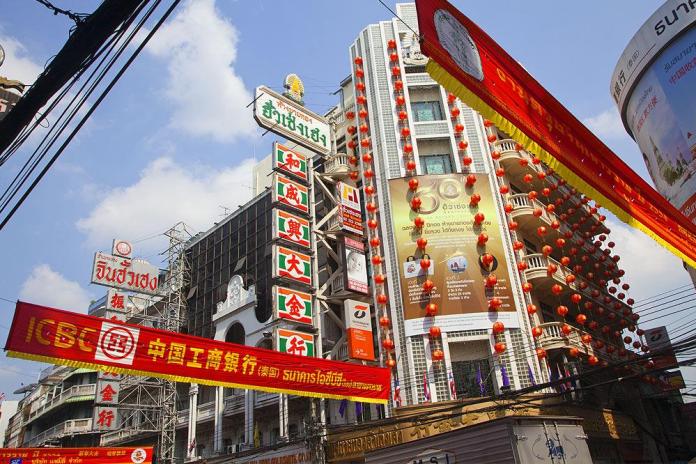


One of the Thai capital’s more intriguing attractions for tourists and indeed locals alike, this bustling enclave of market stalls, noodle shops, street-side restaurants, Chinese temples and a myriad gold shops, draws people by the thousands from early morning until late at night.
During the day Chinatown’s main strip and numerous side streets are abuzz with everyday trading, business and shopping activity. Come night time and the scene is no less busy, with in-the-know diners and new generation gourmands converging on the area for its famed cuisine, both street-side and fine dining. A visit to Chinatown is an intoxicating experience at any time of the year, even more so during major festivals like Chinese New Year when the tempo rises still more.
It is the largest Chinese community in Thailand. The Chinese began to trade with the Thai people since the reign of King Rama I the Great, which the commercial centre was around Ratchawong Pier. Later, in the reign of King Rama V the Great, roads were built to promote trade, and the King graciously bestowed the name Yaowarat Road. At present, Yaowarat Road is known by tourists worldwide as a source of popular street food. There are restaurants both inside buildings and set up along the road. In other words, there are all kinds of international dishes to choose from. This includes savoury dishes and various desserts, as well as a market selling fresh food and foods that are ingredients used for cooking and the selling of colourful Chinese clothes. In addition, Yaowarat Road is the venue for important Chinese festivals, e.g., Chinese New Year (during January) and the Vegetarian Festival (around October). Also, on this road, there are religious sites of many religions, e.g., Theravada-Mahayana Buddhism, Christian, Muslim, and shrines of many Chinese deities, including many old buildings with beautiful architecture.


